
Build Innovation-Driven STEM Labs for Next-Generation Schools

End-to-end STEM Lab design, equipment, installation, and curriculum integration — aligned with NEP 2020 and future-ready education standards. One partner, complete delivery.

NEP 2020 Aligned
PAN India Deployment
Govt & Private School Projects
Turnkey Installation
Robotics Lab Comparison

Why Our Robotics Lab Is Better

A clear comparison between our robotics lab ecosystem and standard robotics kits used in most schools.

Other Robotics Labs

  • Kits usually last only 1 year
  • Around 15–20 activities per kit
  • Mostly prototype components
  • Basic kit assembly learning
  • Basic robotics only
  • Usually not aligned with NEP 2020
  • Limited grade coverage
  • Predefined experiments
  • No formal academic audit
  • No maintenance support
  • Minimal teacher support
  • Small demo projects only

Our Robotics Lab

  • Same kit usable for up to 3 years
  • 60+ activities with one kit
  • Real sensors and electronic devices
  • Hands-on project-based learning
  • Robotics, AI, IoT, Automation, Drone, Apps
  • Curriculum aligned with NEP 2020
  • Structured learning from Grade 1–12
  • Creative activities and innovation projects
  • 3 academic audits every year
  • Full maintenance and technical support
  • Training and guidance provided
  • Smart home and automation projects
Our Differentiators

What Makes Our STEM Labs Different

Not every STEM lab is built equal. Here is what separates a GLOBALEDUTECH lab from a standard equipment drop.

01
Structured Learning Framework
Every module ships with a term-wise curriculum, lesson plans, student worksheets, and assessment rubrics — not just hardware.
02
Industry-Aligned Equipment
We source robotics kits, IoT platforms, and 3D printers that mirror what industry professionals actually use — preparing students for real careers.
03
Age-Wise Modular Design
Labs are configured with differentiated complexity levels from Class 1 to 12 — ensuring age-appropriate challenge and progression at every stage.
04
Safety-Compliant Infrastructure
From anti-static flooring to voltage regulation and safety-certified tool kits — every Neod lab meets institutional safety standards from day one.
05
Smart Classroom Integration
Seamlessly integrates with existing smart boards, projectors, and LAN infrastructure — no need for a complete technology overhaul.
06
Scalable for Future Expansion
Modular architecture means your lab evolves with technology — add new zones or upgrade components without replacing everything.
Lab Architecture

The 4 Core Zones of a STEM Ecosystem

A Neod STEM Lab is not a single room — it's a structured innovation ecosystem divided into four dedicated activity zones, each serving a distinct learning purpose.

Robotics & Automation Zone
Build, program, and test physical robots using Arduino, Lego Mindstorms, and sensor-integrated platforms. Develops systems thinking and mechanical understanding.
Coding & Computational Thinking Zone
From block-based Scratch to Python and web development — progressive coding tracks with real-world mini-projects and gamified challenges.
Engineering & Prototyping Zone
Hands-on structural engineering, circuit building, 3D design, and physical prototyping activities that bridge imagination with real-world construction.
Innovation & Research Zone
Open-format maker space for student-led projects, experiments, and science fair prototypes — fostering independent inquiry and innovation mindset.
Lab Modules

Explore Our STEM Lab Modules

Each module is a fully equipped learning station with dedicated hardware, curriculum, and teacher support. Scroll to explore every module.
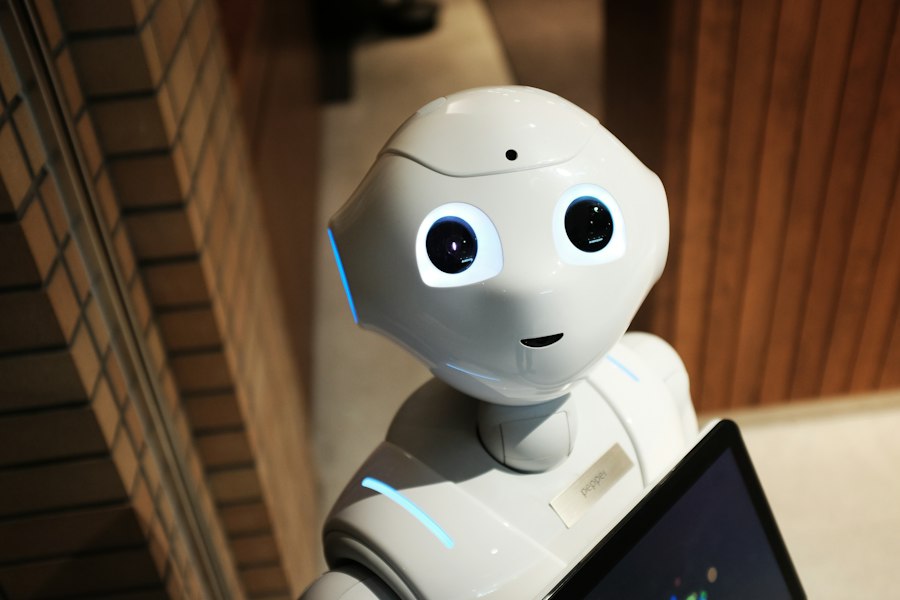
Robotics & Automation
Module 01
Robotics & Automation
Arduino · Lego Mindstorms · Servo Control — Build, program and test real robots from scratch.
  • Arduino & Lego Mindstorms Kits
    Students build and code physical robots using servo motors, sensors, and structured build materials.
  • Mechanical Systems & Sensor Integration
    Learn how real machines work — mechanical design, logic programming, and iterative problem solving.
  • Project-Based Learning Framework
    Term-wise projects from line-following robots to autonomous vehicles, graded with rubrics.

Class 5–7 Basic Class 8–10 Intermediate Class 11–12 Advanced
Coding & Programming
Module 02
Coding & Programming
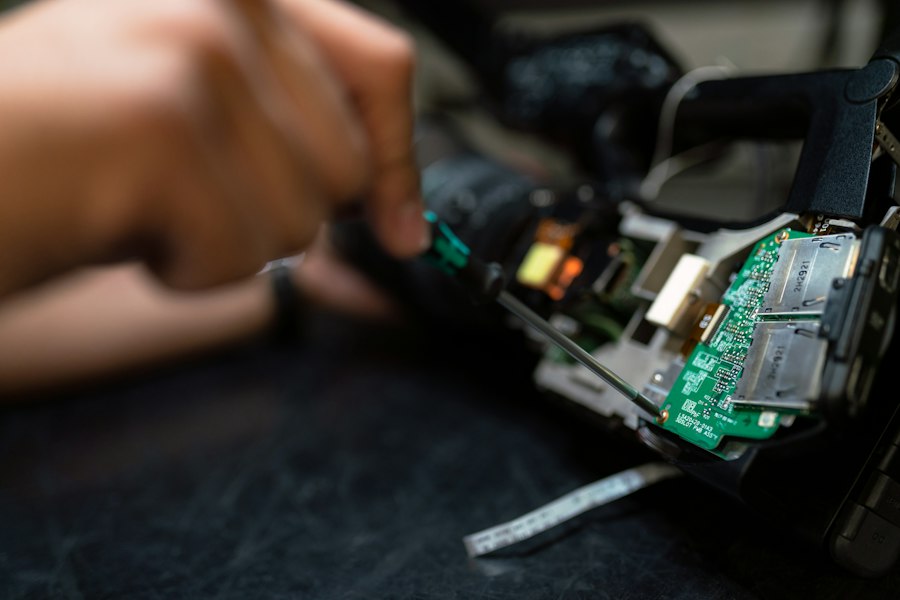
Scratch · Python · Web Development — From visual blocks to real production code.
  • Progressive Coding Curriculum
    Starts with Scratch for visual learners and progresses to Python, HTML/CSS, and web app development.
  • Gamified Challenges & Mini Projects
    Students build real apps and games at every stage — making learning immediately relevant and rewarding.
  • High-Performance Workstations
    Licensed IDE software, offline platforms, and dedicated workstations — no lag, no distraction.
Class 3–6 Beginner Class 7–9 Intermediate Class 10–12 Advanced
3D Printing & Design
Module 03
3D Printing & Design
CAD Modeling · FDM Printers · Product Design — Turn ideas into physical reality.
  • FDM 3D Printers & CAD Software
    Students model in CAD and print real objects — bridging design thinking with manufacturing fundamentals.
  • 3D Spatial Reasoning & Product Design
    Develops the ability to think in three dimensions — essential for engineering and architecture careers.
  • Design-to-Manufacture Pipeline
    Every student leaves with a physical product they designed — tangible proof of creative capability.

Class 6–8 Basic Modeling Class 9–12 Advanced CAD
Electronics & IoT
Module 04
Electronics & IoT
Raspberry Pi · ESP32 · Circuit Design — Connect the physical world to the digital.
  • Raspberry Pi & ESP32 Platforms
    Breadboard circuits, sensor packs, and IoT cloud platform access — building real connected devices.
  • IoT Systems & Connectivity
    Students build smart devices that sense, respond, and communicate — from smart lights to weather stations.
  • Circuit Design Fundamentals
    Hands-on breadboarding, actuators, and sensors — the foundation of electronics and embedded systems.

Class 7–9 Basic Electronics Class 10–12 IoT Projects
Innovation & Experiment Kits
Module 05
Innovation & Experiment Kits
Science Kits · STEM Challenges · Maker Projects — Open-format inquiry and independent invention.
  • Experiment Kit Library
    Curated experiment kits, maker tools, and science fair project supplies for self-directed exploration.
  • ATL & PMKVY Compatible
    Fully aligned to Atal Tinkering Lab and national skill development frameworks — competition-ready students.
  • Presentation & Showcase Space
    Students present findings to peers and judges — building scientific communication and confidence.
All Grades: Class 3–12 ATL Lab Compatible PMKVY Aligned
Our Process

6-Phase Implementation Roadmap

A structured, milestone-driven process from first conversation to fully commissioned lab — transparent at every step.

1
Consultation & Requirement Study
Understanding your institution's goals, student strength, board alignment, and budget parameters.
2
Space Assessment & Planning
On-site measurement, electrical audit, safety assessment, and feasibility study for optimal lab layout.
3
Custom STEM Lab Design
Floor plan, zone layout, network topology, equipment specifications, and visual design submitted for approval.
4
Equipment Procurement
Sourcing certified hardware, robotics kits, software licenses, and furniture from authorized vendors.
5
Installation & Commissioning
Full physical setup, structured cabling, OS configuration, software deployment, and end-to-end testing.
6
Training & Ongoing Support
Faculty onboarding workshop, activity manual handover, AMC plan activation, and remote helpdesk access.
Real-World Impact

The Transformation a STEM Lab Creates

Beyond equipment — a STEM lab fundamentally changes outcomes for students and positions your institution at the forefront of modern education.

Student Impact

Analytical Thinking
Debugging robots and solving engineering challenges trains methodical, evidence-based reasoning.
Innovation Mindset
Open-ended projects cultivate the maker instinct — the ability to see problems as opportunities.
Real-World Problem Solving
Project briefs mirror genuine industry challenges, teaching students to apply knowledge practically.
Technical Confidence
Completing a working IoT device or coded app gives students tangible proof of their own capability.

Institutional Impact

NEP 2020 Alignment
Satisfy competency-based learning mandates and inspection requirements with a compliant lab setup.
Enhanced School Reputation
A modern STEM lab is a powerful enrollment differentiator — parents and students notice.
Skill Development Focus
Positions your school as a skill-first institution aligned to PMGDISHA, PMKVY, and national frameworks.
Competitive Advantage
Stand out in accreditation reviews and inspire enrollment confidence with visible innovation infrastructure.
Our Services

What GlobalEdutech Offers

Beyond infrastructure, we provide a complete ecosystem of products, training, and programs designed to support modern STEM and digital education.

Retail Products
Wide range of STEM kits, robotics components, electronics modules, and educational tools available for schools and institutions.
Lab Setup
Complete design and installation of ICT, STEM, Robotics, and Innovation Labs tailored to school and institutional requirements.
Teacher Training
Professional development programs that train teachers to effectively integrate STEM and digital tools into classroom learning.
Workshops
Hands-on workshops for students covering robotics, coding, AI basics, electronics, and innovation-driven learning experiences.
Online Classes
Interactive virtual classes enabling students to learn coding, robotics, and emerging technologies from anywhere.
Olympiad Programs
Competitive Olympiad preparation programs that help students develop problem-solving, analytical thinking, and STEM excellence.